


For businesses navigating the stringent demands of the new F-Gas Regulation, the risk of non-compliance is often narrowly viewed as a potential fine. However, this is a dangerously simplistic perspective. In the accelerated HFC phase down environment, the consequences of regulatory failure extend far beyond financial penalties, manifesting as a complex, multi layered threat to operational stability, supply chain integrity, and corporate reputation.
Member States are explicitly mandated to impose penalties that are effective, proportionate, and dissuasive for any infringement of the F-Gas Regulation. This legislative language signals that the fines are designed to be financially crippling to ensure absolute compliance, but the true cost of non-compliance is revealed in the operational chaos and reputational fallout that follow a breach.
While the legal intent of penalties is to deter, the practical outcome for businesses caught non-compliant is immediate and severe disruption.
1. Devastating Financial Penalties, the financial stakes are extremely high. Penalties vary by jurisdiction and severity, but they are consistently designed to hurt. For instance, a high-profile case in the UK resulted in a company facing fines exceeding £200,000 for exceeding its F-Gas quota and for inaccurate import reporting. Even what might be considered minor infractions, such as delayed submissions or incomplete documentation, can trigger fines ranging from €10,000 to €50,000. These financial hits are often compounded by additional penalties related to the specific type of gas involved; for example, penalties related to importing high Global Warming Potential gases like HFC-23 beyond the allocated quota are extremely severe.
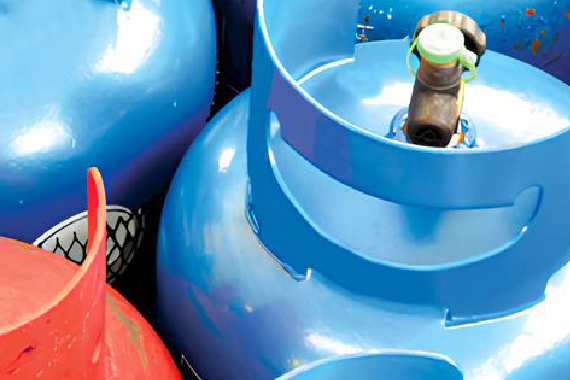
2. Severe Operational Disruptions A fine is often the final step in a disruptive process. The immediate impact of non-compliance is typically goods being held at customs for inspection or, worse, being seized outright. Authorities have intercepted large volumes of illegal HFC refrigerant, often seizing both the illicit gas and the non-refillable cylinders used to smuggle it. When product is seized or indefinitely delayed at the border, it creates an immediate and severe operational disruption that halts production, jeopardizes delivery schedules, and strains relationships with clients who rely on a timely supply. The resulting legal complexities and administrative costs associated with retrieving seized goods or contesting penalties often far outweigh the initial fine amount.
Perhaps the most enduring risk of F-Gas non-compliance lies in the damage inflicted upon the business’s integrity and public image.
1. Erosion of Supply Chain Integrity The F-Gas Regulation places a heavy burden on importers to verify the legitimacy of their supply chains. The market volatility and scarcity created by the phase down tempt some businesses to source from unvetted, cheaper suppliers. Non-compliance, particularly if linked to the use of illegal HFC trade, exposes a business to fraudulent practices and unreliable suppliers. This erosion of supply chain integrity creates persistent risk, meaning the business can never be truly certain of the quality, source, or legal status of the products it is bringing to market.
2. Profound Reputational Damage In today’s market, environmental responsibility is not optional; it is a fundamental expectation of consumers, partners, and regulators. Non-compliance with F-Gas regulations sends a negative message, raising doubts about a company’s ethical commitment to climate action and responsible business practices.
This reputational damage can manifest in various, commercially destructive ways:
Recovering from such reputational fallout is a challenging and lengthy process that demands a significant investment of time and capital to rebuild trust.
Navigating this multi layered risk requires a comprehensive, proactive strategy that addresses compliance at every step. AFS Cooling specializes in providing the necessary framework to mitigate these threats, protecting clients from financial exposure, operational chaos, and reputational damage.
Our core offering centres on preventative legal measures and guaranteed documentation:
By partnering with AFS Cooling, businesses gain more than just a service; they gain a decisive shield against the escalating financial and operational risks inherent in the accelerated F-Gas phase down, allowing them to focus on their core business while maintaining market leadership through demonstrated regulatory excellence.

