


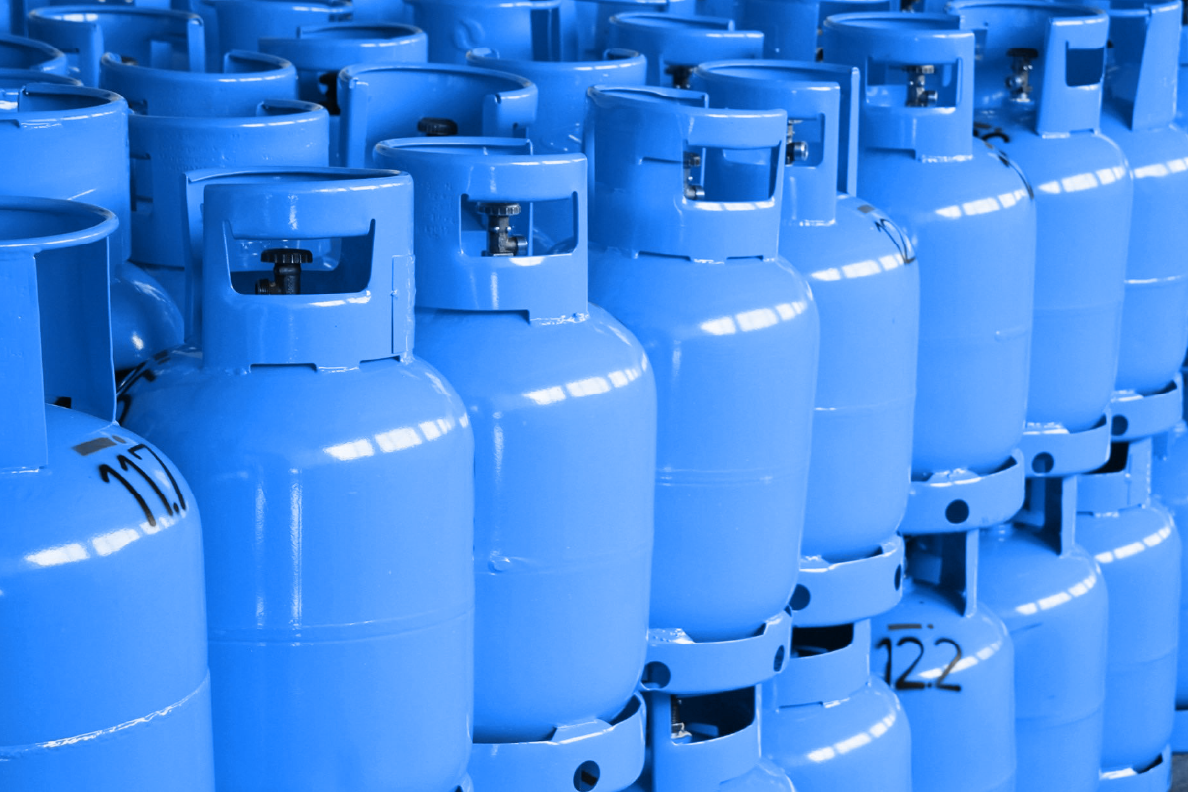
As the global HVACR industry moves deeper into the phase-down of hydrofluorocarbons (HFCs), the concept of a circular economy has shifted from an environmental goal to a fundamental strategic requirement. The intensifying scarcity of virgin HFCs, driven by aggressive quota reductions in the EU, UK, and USA, has created a structural deficit that threatens the maintenance of legacy systems. In this context, the recovery, recycling, and reclamation of refrigerants have become indispensable tools for ensuring business continuity and managing escalating operational costs.
To implement a successful circular strategy, it is essential to distinguish between the three primary processes of refrigerant reuse. Recovery involves the safe removal of gas from a system during servicing or at the end of its life to prevent atmospheric release. Recycling refers to basic on-site or off-site filtration and separation to remove oil and moisture, allowing the gas to be reused, typically by the same owner in the same equipment. Reclamation, however, is the most rigorous process. It involves reprocessing recovered gas to a purity level equivalent to virgin substance, meeting AHRI 700 standards. Once reclaimed, the gas can be resold and used in any suitable equipment, effectively bypassing the constraints of the virgin HFC quota system.
The strategic value of reclaimed gas is primarily found in its regulatory status. Under Regulation (EU) 2024/573, reclaimed and recycled HFCs are not subject to the same quota limitations as virgin gases. This provides a vital pathway for businesses to maintain existing systems that still rely on high-GWP refrigerants. For example, while the use of virgin R404A for servicing most refrigeration systems is already prohibited, the regulation explicitly allows the use of reclaimed R404A until the end of 2029. For air conditioning and heat pump systems, this allowance for reclaimed gas extends until the end of 2031. This multi-year window provides a necessary buffer for organizations to plan and fund the replacement of their installed equipment without facing immediate service bans.
The shift toward reclamation is also driven by the extreme price volatility of virgin HFCs. As quotas tighten, the market price of virgin gas is no longer determined by production costs but by the scarcity of the $CO_2$ equivalent tonnes required to place it on the market. This creates a massive financial incentive for the circular model. By maximizing the recovery and reclamation of their existing gas banks, large equipment operators can hedge against price spikes and ensure they have a secure supply of refrigerant for future leak repairs. AFS Cooling supports this transition by offering global procurement solutions that include high-quality reclaimed and recycled F-gases, providing businesses with compliant and often more affordable alternatives to the virgin market.
Implementing a circular economy at the organizational level requires significant investment in technician training and infrastructure. The new refrigerant era involves a transition toward natural refrigerants and mildly flammable A2L alternatives, each of which requires specialized handling and recovery protocols. Technicians must be proficient in identifying and repairing leaks to prevent the loss of valuable gas and must be trained in the use of specialized tools for the recovery of different refrigerant types. Without a skilled workforce, the integrity of the recovered gas is at risk, as contamination with oil, moisture, or other refrigerants can make the reclamation process more expensive or even technically impossible.
Furthermore, the circular model demands rigorous documentation and traceability. For reclaimed gas to be legally used, there must be a clear chain of custody that proves the gas was properly recovered and reprocessed by an authorized facility. Customs and environmental authorities are increasingly using documentation quality as a proxy for overall compliance posture, and companies that cannot demonstrate the provenance of their refrigerant stocks risk significant legal penalties. AFS Cooling acts as a documentation guardian in this process, helping clients build digital archives that satisfy the requirements of F-gas audits and ensure that all circular practices are fully compliant with regional laws.
The move toward a circular refrigerant economy is also a critical component of broader corporate sustainability and ESG (Environmental, Social, and Governance) goals. By extending the lifecycle of chemical compounds and preventing the emissions associated with both new production and accidental leaks, businesses can significantly reduce their carbon footprint. This environmental stewardship is increasingly valued by investors and customers alike. Companies that lead in the adoption of reclamation and recycling strategies are better positioned to navigate the transition toward the low-carbon economy of 2050.
In conclusion, reclamation has evolved from a niche sustainability practice into a cornerstone of risk management for the HVACR sector. As the availability of virgin HFCs continues to decline, the ability to recover and reuse existing refrigerants will define the operational resilience of modern businesses. Partnering with a specialist like AFS Cooling ensures that your organization can access high-quality reclaimed sources while maintaining full compliance with the complex web of global F-gas regulations. To discover how AFS Cooling can support your transition to a circular refrigerant strategy, visit our services page at https://www.afscooling.com/services/quota-management.

